
Hotel reservation system: digitize your accommodation without complications
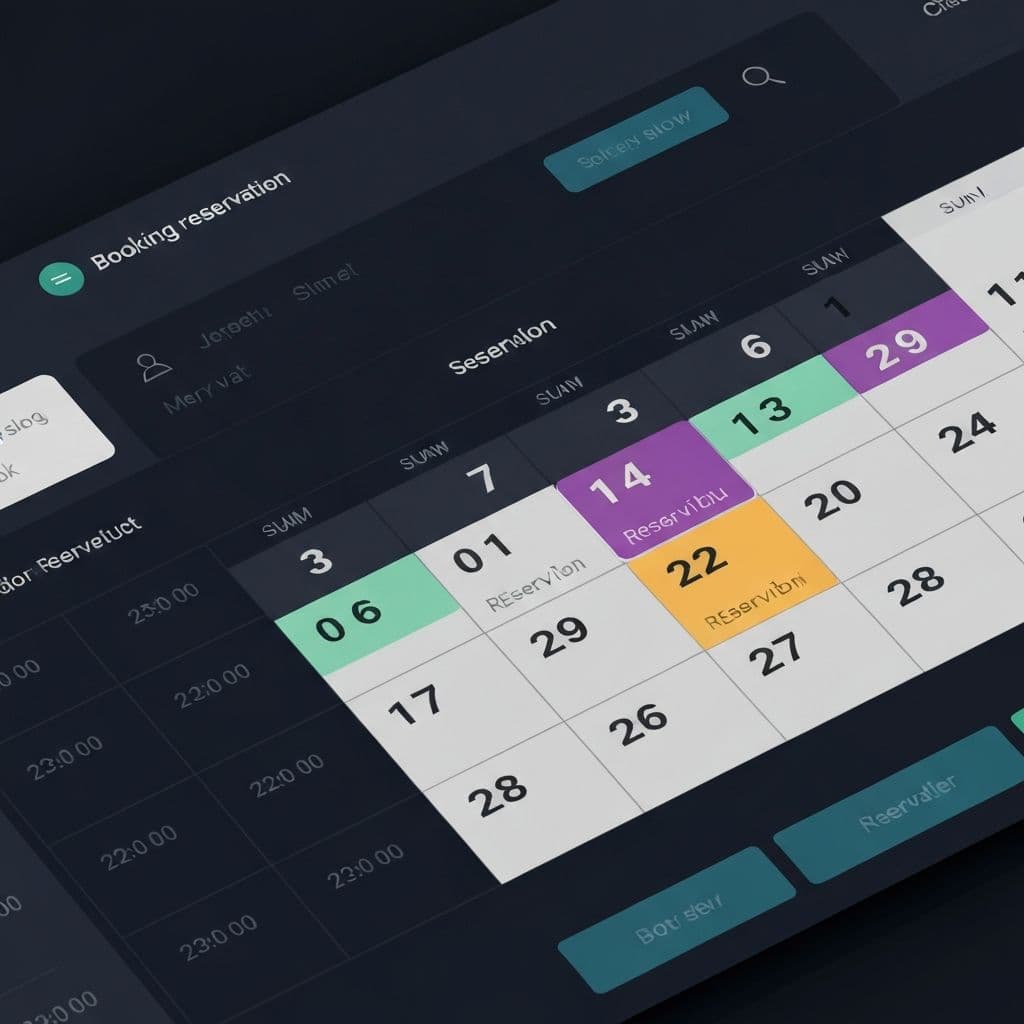
There is a moment that every hotel or lodging owner knows well: a guest calls to make a reservation, you write down the information in your notebook, and two days later you discover that that same room was already occupied by a reservation that someone made via WhatsApp. Double reservation. Awkward apologies. A lost customer who will not return.
These types of problems are not staff errors. They are the natural result of running a modern business with tools from the past.
The real problem behind the "reservation notebook"
A small host may seem manageable with manual methods. As long as you have 5 rooms and receive 20 reservations a month, the notebook works. But as soon as you grow, or in high season, the system breaks down.
The most common problems I see in hotels without a digital system:
- Double bookings that generate conflicts with guests and damage the reputation of the business.
- Rooms left unoccupied because no one has real-time visibility of availability.
- Loss of customer data who could return if you contacted them with a promotion.
- Slow closing of sales: the customer asks for availability, waits for you to call him, and meanwhile makes a reservation somewhere else.
- Non-existent reports: you don't know how much you billed last month, which room is most occupied, or which dates you have the highest demand.
The good news is that there is a direct solution for each of these problems.
What a digital reservation system can do for your hotel
A well-implemented system doesn't just digitize the notebook: it completely changes how your business works.
1. Real-time availability calendar
All reservations, regardless of how they arrived (phone call, WhatsApp, online booking), are recorded in one place. Staff see on the screen which rooms are available, which are occupied, and which are being cleaned. No internal calls, no notebook reviews.
2. Online reservations without intermediaries
Instead of relying exclusively on platforms like Booking.com (which charge commissions of up to 15-20%), your website can have a direct booking form. The client chooses dates, room and type of payment. You receive the confirmed reservation without intermediaries and without commissions.
3. Automatic confirmations
When a customer makes a reservation, they automatically receive a confirmation email or message with the details of their stay. You no longer have to write each confirmation manually or worry that the customer didn't receive the information.
4. Check-in and check-out control
You know exactly what time each guest arrives, which room they are assigned to, and when they must leave. If there is a last minute change, the system updates it and everyone sees the correct information.
5. Customer history
Each guest is registered with their name, contact, stay history and preferences. This allows you to follow up post-visit, send personalized promotions or simply remember that a certain customer liked the room with a garden view.
6. Occupancy and billing reports
How many nights were sold, what type of rooms were most in demand, how much was billed per week or month, during which times there is more occupancy. Data that previously only existed if someone spent hours adding up the notebook.
Is it only suitable for large hotels?
No. In fact, small and medium-sized hotels benefit the most from digitizing their reservations, because they usually have fewer staff and each person has to do multiple things at the same time.
A reservation system allows a single receptionist to handle without errors what previously required constant communication between two or three people. And if the receptionist is serving a guest, the system continues to receive online reservations at that same moment.
For a homestay with 10 rooms, the difference between having or not having a system can be a matter of losing or not losing reservations in high season.
The Grima Hotel case
As part of my portfolio, I developed the website for Grima Hotel, a lodging that needed a professional digital presence and a way to receive reservation inquiries directly, without depending solely on third-party platforms.
The result was an elegant site, optimized for mobile, with a room gallery, description of services and a direct contact form integrated with WhatsApp so that the consultation and confirmation process was quick and natural for clients.
The impact? Clients come to the site, see the rooms, see the prices and contact directly. Accommodation stops being just another one in a Booking results list and becomes a brand with its own identity.
When should you implement a reservation system?
If any of these situations sound familiar to you, now is the time:
- You receive reservations through more than one channel (phone + WhatsApp + social networks) and you do not have a central point of control.
- You have had at least one double booking in the last 3 months.
- You cannot answer availability questions immediately.
- You don't have clear data on how much your hotel bills each month.
- Your guests have no way to make a reservation outside of your business hours.
What do you need to get started
Implementing a reservation system for a small or medium-sized hotel does not require a huge investment or months of development. Depending on what your business needs, it can be as simple as:
The complexity depends on the volume of your hotel and how automated you want the process. The important thing is to start, even if it is with a basic solution that eliminates the most frequent problems.
Where to start?
The first thing is to clearly define what problems you want to solve. Not all hotels need the same type of system. An 8-room accommodation has different needs than a 30-room boutique hotel with additional services.
That's why the first step is always a conversation. At SebasTZ I build custom web solutions and systems thinking about what the business really needs, not about selling technology for the sake of selling.
If you want to understand what type of system is best for your accommodation, write me on WhatsApp at +51 933317879 and we'll talk. No commitments, no pressure.
---
If you found this article useful, you may also be interested in reading about Why your business needs a website or discovering how digital transformation can be applied step by step in your SME.
Did you enjoy this article?
Discover how we can help you scale your business with custom software.
Related Articles
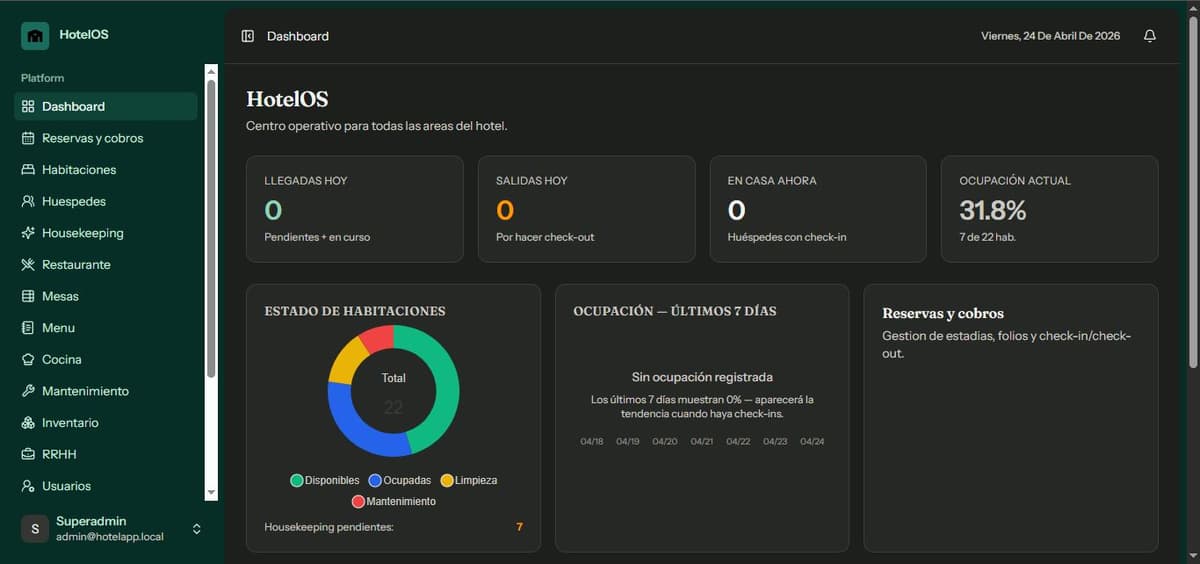
HotelOS: the hotel management system that your accommodation needs in 2026
Discover how HotelOS centralizes reservations, rooms, collections and restaurants in a single panel for small and medium-sized hotels that want to stop wasting time and money with manual processes.
Benefits of digitizing inventory management in SMEs
It details how a digital inventory system reduces errors, improves stock control, speeds up purchases and avoids losses. Includes use cases and recommendations to choose the best solution.
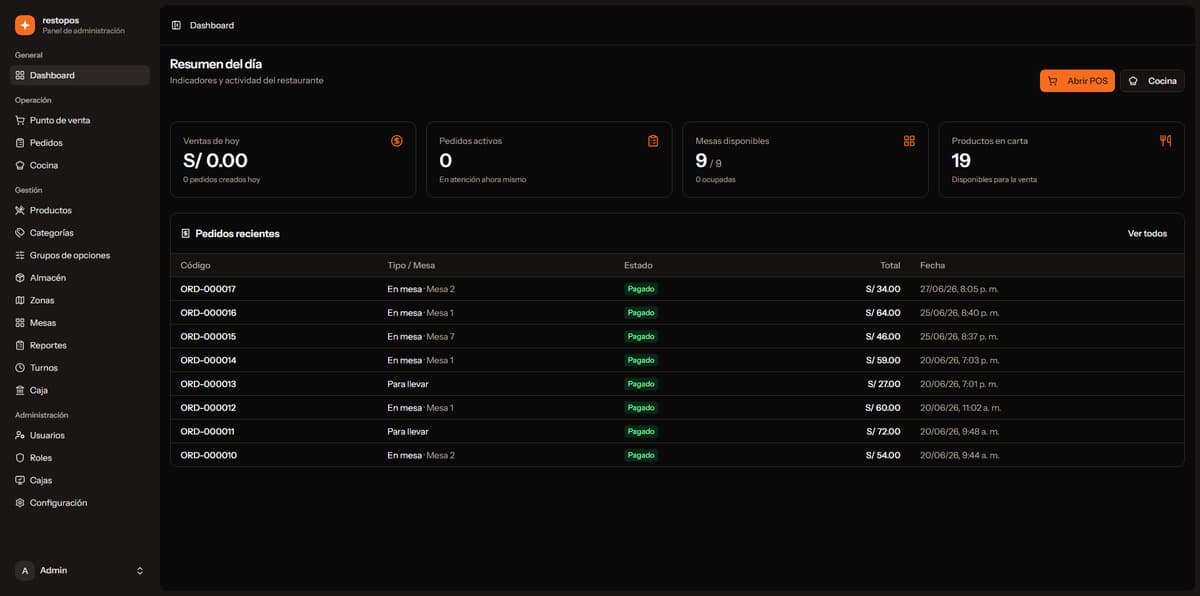
Why Specialized Vertical SaaS Outperforms Generic ERPs for Local Businesses
Discover why generic ERPs often fail for small and medium businesses, and how vertical software built specifically for single industries ensures immediate adoption and fast ROI.