
Why Specialized Vertical SaaS Outperforms Generic ERPs for Local Businesses
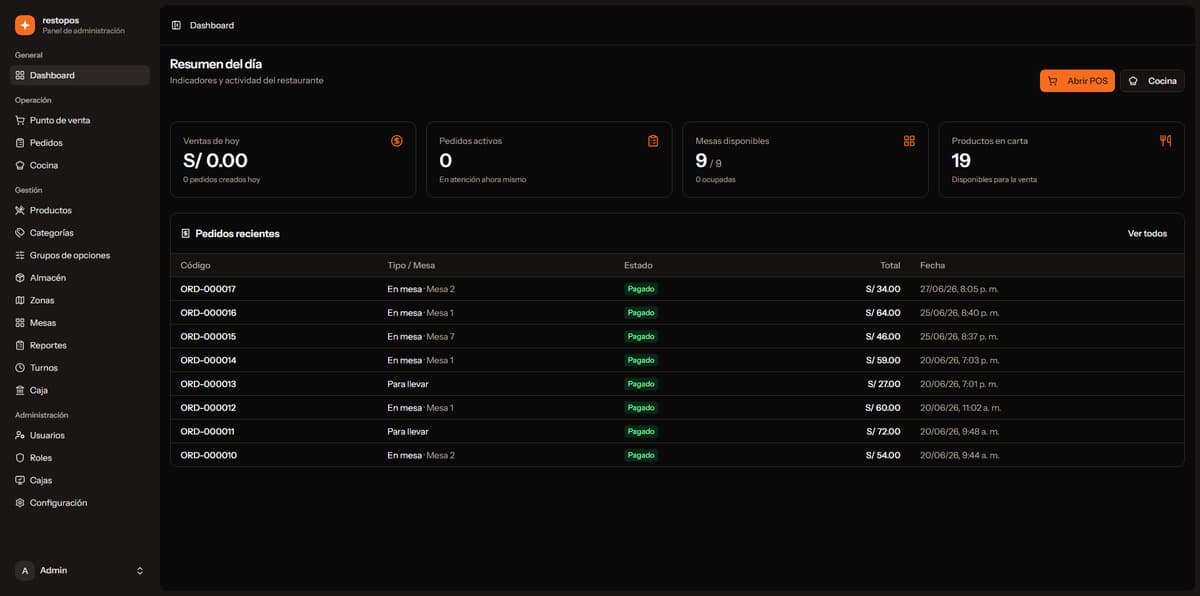
For decades, the digital transformation promise was dominated by generic ERPs (Enterprise Resource Planning systems). Consultants claimed that a single massive system could manage everything from a textile factory to a local restaurant, an auto repair shop, or a boutique hotel.
The reality for 85% of small and medium-sized enterprises (SMEs) was vastly different:
- Endless implementation cycles lasting 6 to 12 months.
- Exorbitant licensing and customization fees.
- Overcomplicated user interfaces cluttered with irrelevant fields that employees struggled to understand.
- Software abandonment after a few months, forcing business owners back to pen, paper, or disjointed spreadsheets.
In 2026, the global and local trend has shifted definitively toward Specialized Vertical Software (Vertical SaaS).
---
1. What is Vertical Software and How Does it Differ from a Generic ERP?
A horizontal or generic software attempts to solve average corporate needs: generic purchases, standard sales, basic accounting, and warehouse management.
In contrast, Vertical Software is engineered with a singular focus: solving the exact workflows, edge cases, and industry-specific logic of a single trade or market niche:
- An auto repair shop doesn't need a manufacturing accounting module; it needs a Kanban Work Order (WO) board, 360° visual body inspection with photos, landed cost calculations for spare parts, and vehicle service histories by license plate (MecanicPOS).
- A restaurant needs a tactile mobile ordering interface for waiters, a Kitchen Display System (KDS) for cooks, split billing at tables, and QR digital menus (FoodPOS).
- A car wash & parking lot needs automatic per-minute stay timers, washer commission tracking, and detailing service pricing categorized by vehicle size (WashCar / CarStation).
- A billiard & pool hall needs minute-by-minute table timing with dynamic peak/off-peak pricing, cue custody tracking, and direct bar ordering (BillarApp).
---
2. Four Key Benefits of the Vertical Approach for Local Businesses
A. Zero Friction & Fast Team Adoption
Waiters, mechanics, and cashiers don't have time for 40-hour software training courses. Vertical systems speak the exact language and use the real-world operational flows staff already understand. With less than 15 minutes of onboarding, teams are up and running without frustration.
B. Out-of-the-Box Features Without Costly Custom Code
In a generic ERP, if you want a completed work order to deduct oil inventory and automatically calculate technician commissions, you have to pay thousands of dollars to programmers. In vertical software, that feature is built-in and active on day one.
C. Seamless Electronic Invoicing & Compliance
Legal and tax compliance shouldn't slow down customer checkout. Modern vertical point-of-sale systems generate compliant electronic receipts and invoices instantly at checkout, keeping lines moving smoothly.
D. Return on Investment (ROI) in Weeks, Not Years
Priced at a fraction of traditional enterprise software (accessible through low monthly subscriptions or perpetual licenses with full ownership), vertical software pays for itself in the first month through reduced food waste, watertight cash management, and shrinkage prevention.
---
3. The SebasTZ Solution Ecosystem
At SebasTZ, we engineer vertical business platforms tailored for high reliability, ultra-fast interfaces, cloud backups, and local tax integration:
---
Conclusion
Successful digital transformation is not about how big or expensive your software is; it's about how seamlessly it fits into your daily business reality.
Choosing a specialized tool built specifically for your industry is the single smartest decision you can make to protect your cash flow, empower your staff, and scale your profits with total confidence.
Did you enjoy this article?
Discover how we can help you scale your business with custom software.
Related Articles
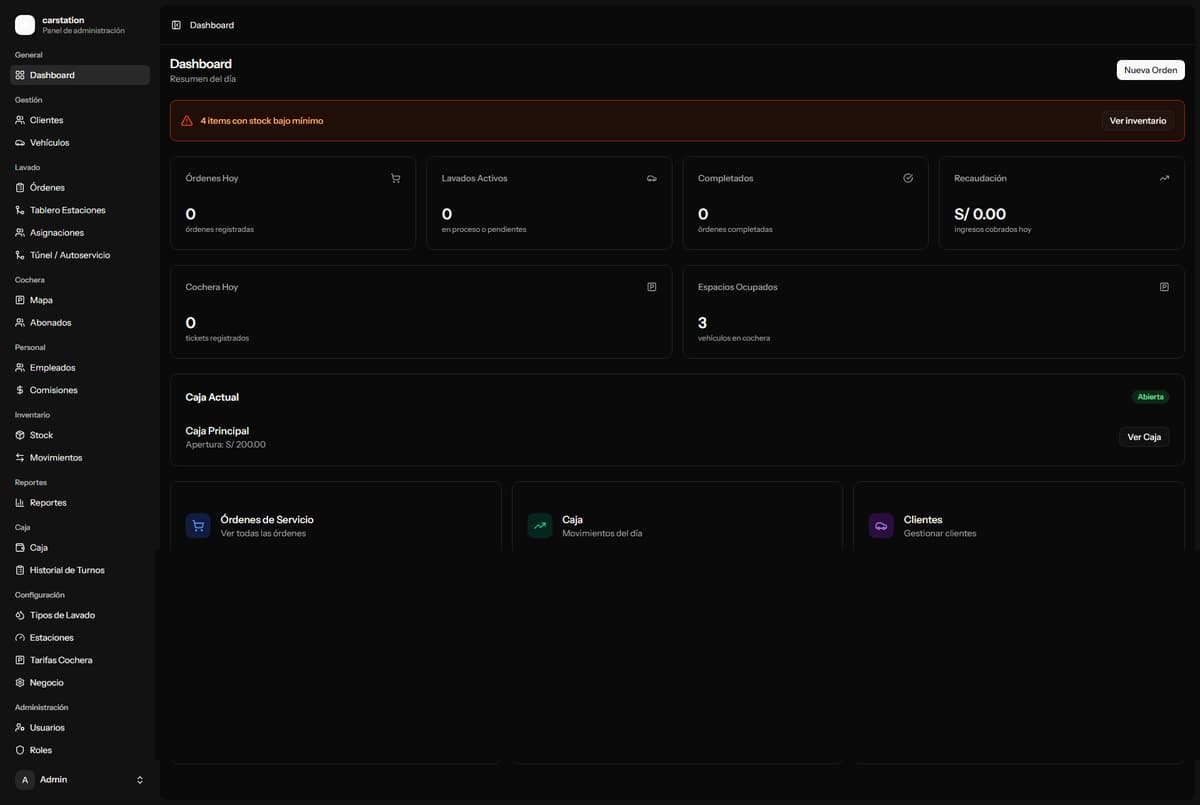
CarStation: Manage Your Car Wash, Parking Garage, and Commissions in One Place
Car washes often struggle with manual commission math and paper parking logs. CarStation automates everything — wash pipeline, staff commissions, parking map, and register closing.
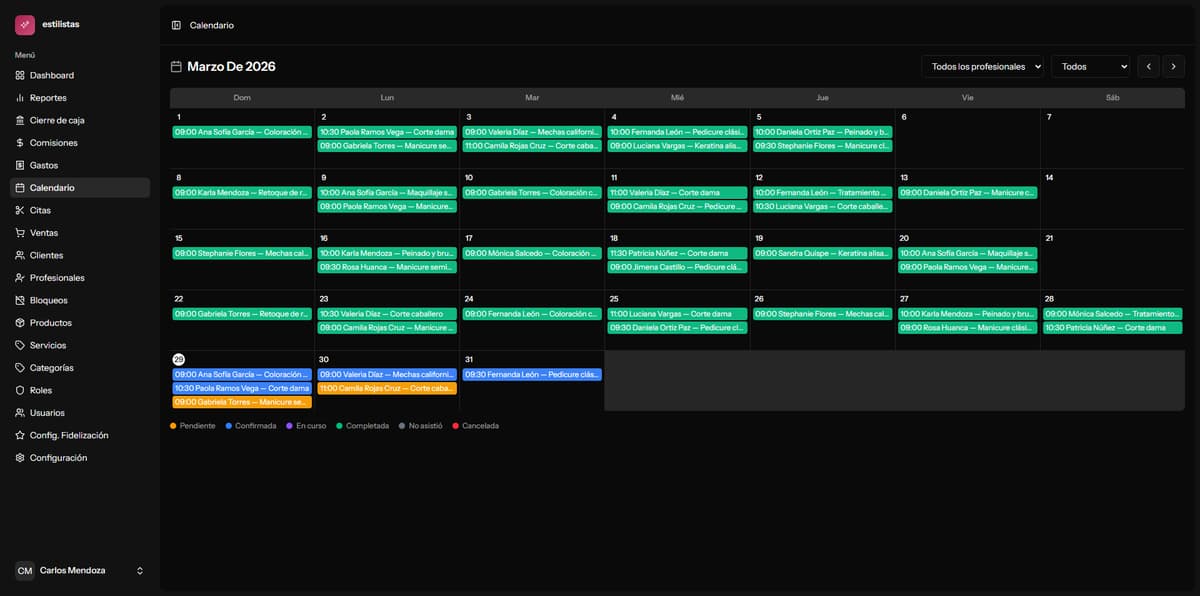
GlowApp: control your classroom without Excel, without a calculator and without discussions with your team
Most beauty salons in Peru settle commissions by hand at the end of the month. GlowApp does this automatically from each sale, with daily checkout and points program included.
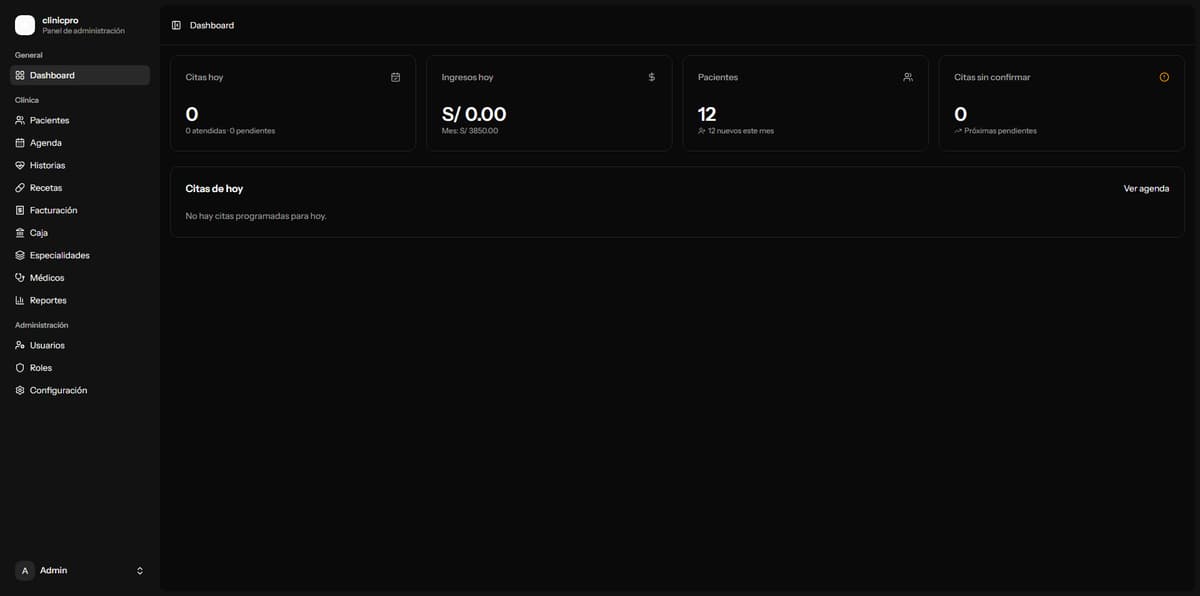
How to digitize your medical office without complicating your life
Most offices in Peru still use Excel and WhatsApp to manage appointments and medical records. Here we explain why to change and what to look for in a system.