
How to choose the best management system for your veterinary clinic
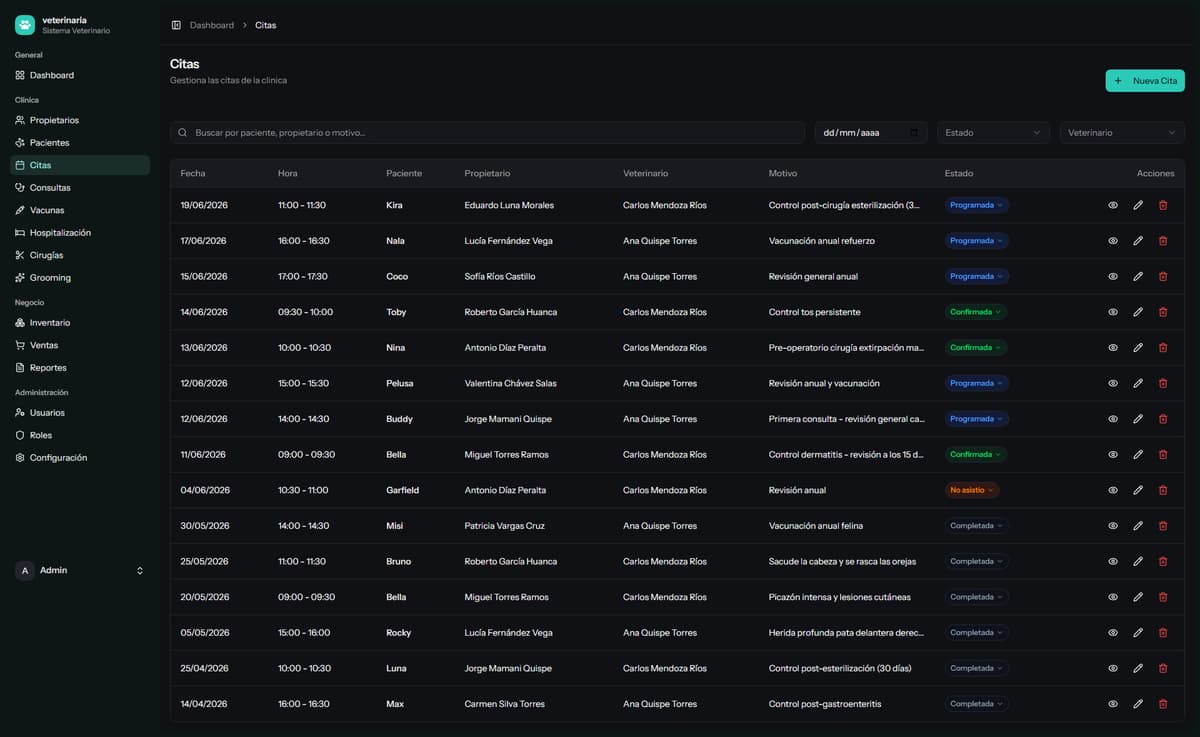
Choosing a management system for your veterinary clinic is a decision that affects both the daily operation and the quality of care for your patients. Here I share the key factors that you should evaluate before deciding.
1. Reliable appointment book
The basis of any clinic is its agenda. Your system must:
- Show the availability of each veterinarian in real time
- Automatically prevent two appointments from being scheduled at the same time for the same professional
- Allow you to distinguish the status of each appointment: scheduled, confirmed, in progress, completed, canceled or not attended
2. Complete and accessible medical history
It is not enough to keep single notes. A good system should record for each query:
- Weight, temperature and reason for consultation
- History, clinical examination, diagnosis and treatment
- The complete and orderly history of each pet, accessible to any veterinarian on the team
- The ability to download a PDF summary for the owner
3. Vaccine control with monitoring
The vaccination plan for each pet must be recorded with laboratory, batch, application date and next dose, and the system must be able to generate a PDF vaccine card to deliver to the owner.
4. Inventory with stock alerts
Medications and supplies run out, and a good system warns you before that happens:
- Current stock and minimum stock per product
- Automatic alerts when a product is about to run out
- Batch control and expiration date
5. Roles and permissions by user type
Not all staff need to see the same thing. Verify that the system allows:
- Create roles according to your team (veterinarian, receptionist, assistant, etc.)
- Assign granular permissions per module
- Restrict access to sensitive information, such as financial reports
6. Reports that help you decide
Beyond the daily log, you need to understand your clinic:
- Care by period and by veterinarian
- Products with critical stock
- Medical history and vaccine card exportable in PDF
7. Ease of use for the entire team
Your staff—veterinarians, receptionists, and assistants—should be able to use the system without extensive training. A clear interface and few clicks for frequent tasks make the difference in daily adoption.
Conclusion
Invest time in evaluating options before deciding. A well-chosen system translates into fewer clinical errors, better organized appointments and a team that works with complete information. If you are looking for more tips on digital transformation for businesses, read Digital transformation for SMEs: where to start.
If you are already clear about what your clinic needs, the Veterinary System meets all these criteria: agenda without schedule crossings, digital medical history, vaccination control with PDF card, inventory with alerts and roles configurable by staff. You can try it for free in the live demo (user: `admin@veterinaria.local` / password: `password`) or learn all the details in System for veterinary clinics: medical history, appointments and vaccines in one place.
Did you enjoy this article?
Discover how we can help you scale your business with custom software.
Related Articles
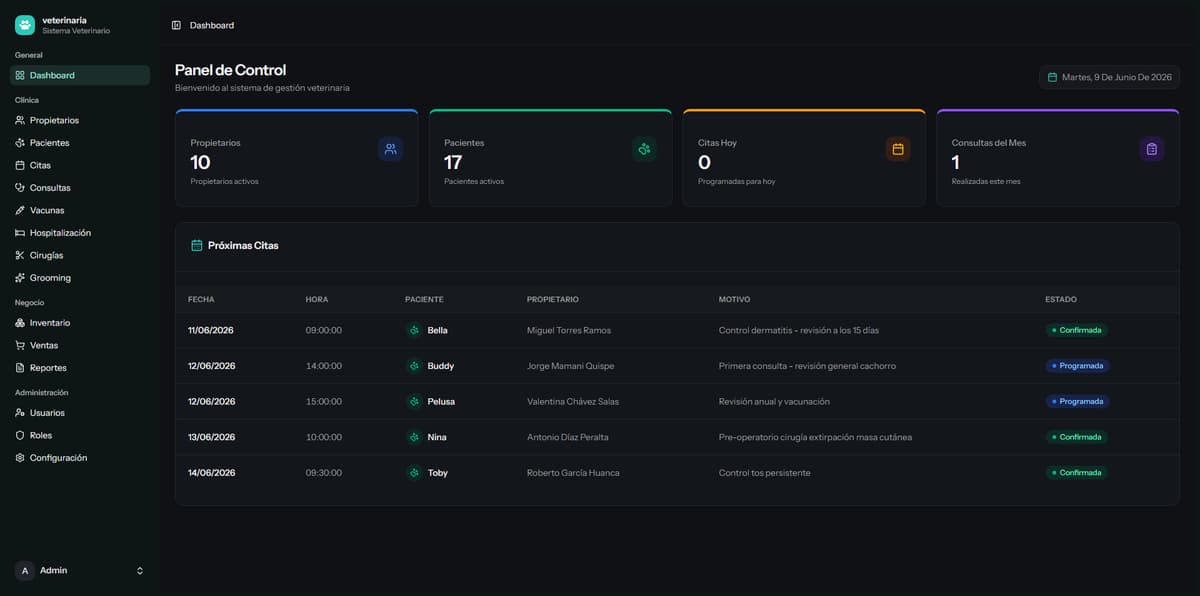
System for veterinary clinics: medical history, appointments and vaccinations in one place
Get to know the Veterinary System: appointment schedule without scheduling conflicts, digital medical history, vaccination control with PDF card, inventory and sales for your veterinary clinic.
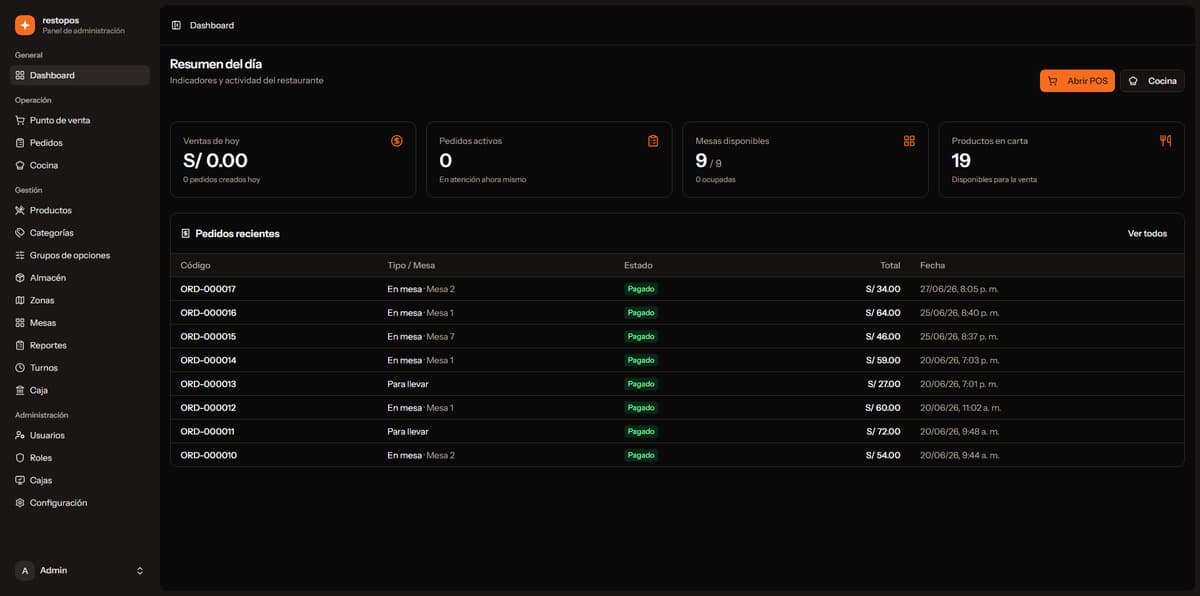
Why Specialized Vertical SaaS Outperforms Generic ERPs for Local Businesses
Discover why generic ERPs often fail for small and medium businesses, and how vertical software built specifically for single industries ensures immediate adoption and fast ROI.
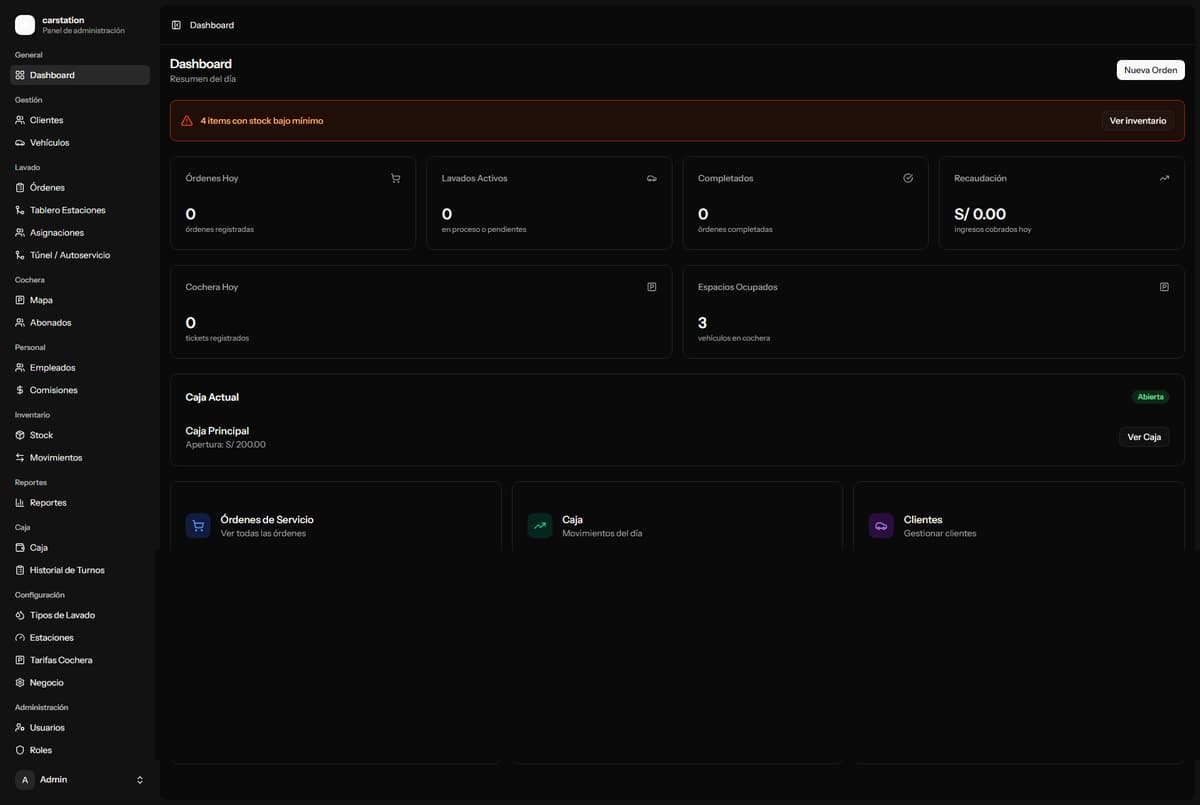
CarStation: Manage Your Car Wash, Parking Garage, and Commissions in One Place
Car washes often struggle with manual commission math and paper parking logs. CarStation automates everything — wash pipeline, staff commissions, parking map, and register closing.