
How data analytics can transform your SME
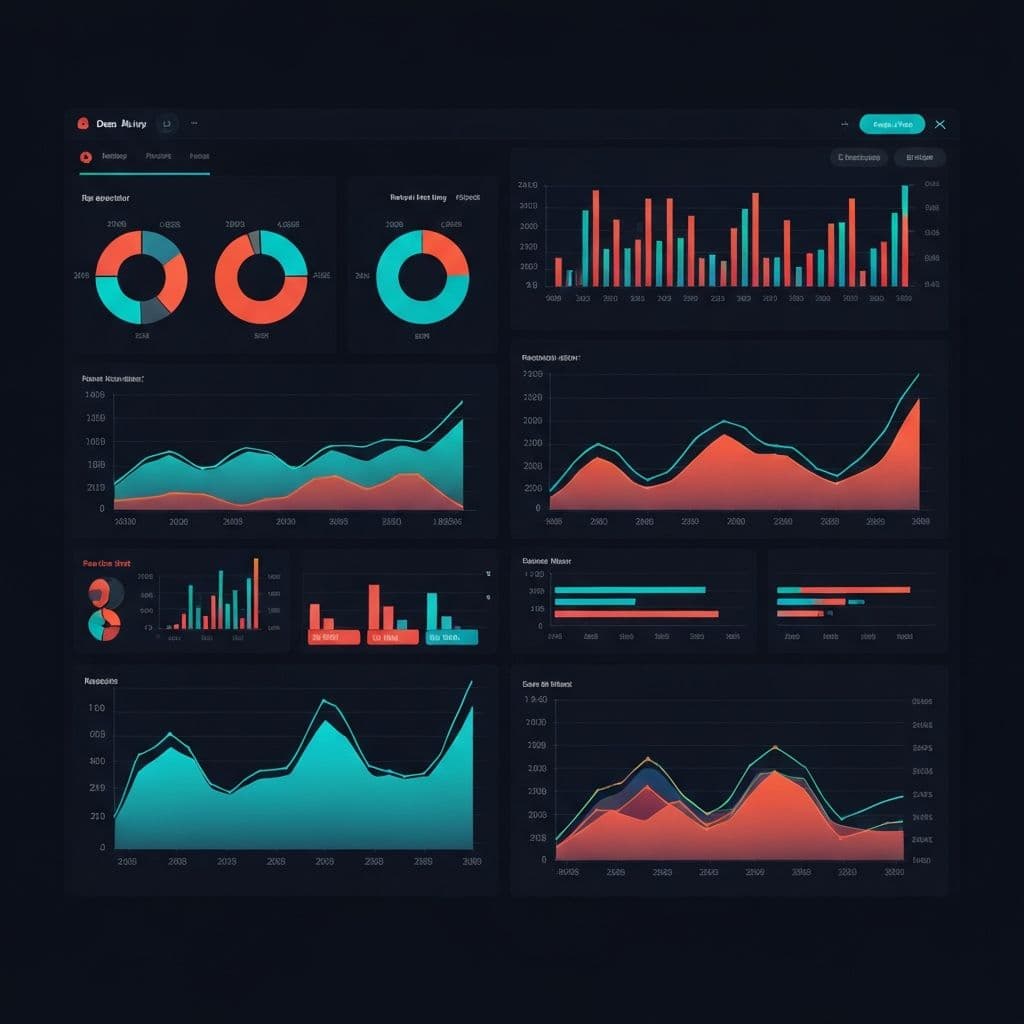
In an increasingly competitive market, intuition is no longer enough to run a business. Small and medium-sized businesses (SMEs) that leverage data analytics are gaining a decisive competitive advantage. But what exactly is data analytics and how can it transform your business?
What is Data Analytics?
Data analytics is the process of examining data sets to draw conclusions about the information they contain. In the context of an SME, this means analyzing sales, inventory, customer and operations data to discover patterns, trends and opportunities that would otherwise go unnoticed.
Transforming Decision Making
Instead of basing decisions on assumptions, data analytics allows you to use concrete evidence. Here are some ways you can help:
Practical Examples for SMEs
You don't need to be a data scientist to get started. Modern management software tools often include reporting and analytics modules that are easy to use. Here are some examples of useful reports and visualizations:
- Sales Dashboard: A visual dashboard with graphs showing daily, weekly and monthly sales; best-selling products; and peak business hours.
- Inventory Report: A table that classifies products by their rotation (high, medium, low) to help you optimize purchases and avoid excess stock.
- Customer Analytics (RFM): A report that segments customers by Recency (when they last purchased), Frequency (how often they purchase), and Monetary Value (how much they spend). This helps you identify your best customers and create campaigns to reactivate inactive ones.
Conclusion
Data analytics is no longer a luxury reserved for large corporations. It is an accessible and powerful tool that can level the playing field for SMEs. By taking a data-driven approach, you can make smarter decisions, optimize your resources, and drive sustainable growth for your business.
If you want to know more about how to digitize other aspects of your SME, read our article on Digital transformation for SMEs.
Do you want to start making data-based decisions? At SebasTZ we offer data analysis services that include data cleaning, interactive dashboards and automated reports. You can also learn about specific cases in Artificial Intelligence for SMEs: real use cases. Write to us by WhatsApp at +51 933317879 and we will evaluate what type of analytics has the most impact on your business.
Did you enjoy this article?
Discover how we can help you scale your business with custom software.
Related Articles
Finance and digitalization: How technology transforms financial management in SMEs
Explore the impact of digitalization on business finance, from process automation to data-driven decision making.
New model: all our systems now with monthly subscription
SebasTZ changes model. Now you can access any management system from S/ 60/month — without initial investment, without long contracts, with support included from day one.
Why your business needs a website (regardless of its size)
Explains why every company, regardless of its size, must have an online presence. It talks about visibility, customer acquisition, trust, sales and support automation, and how a well-designed website drives growth.