
Artificial Intelligence for SMEs: real use cases that you can apply today
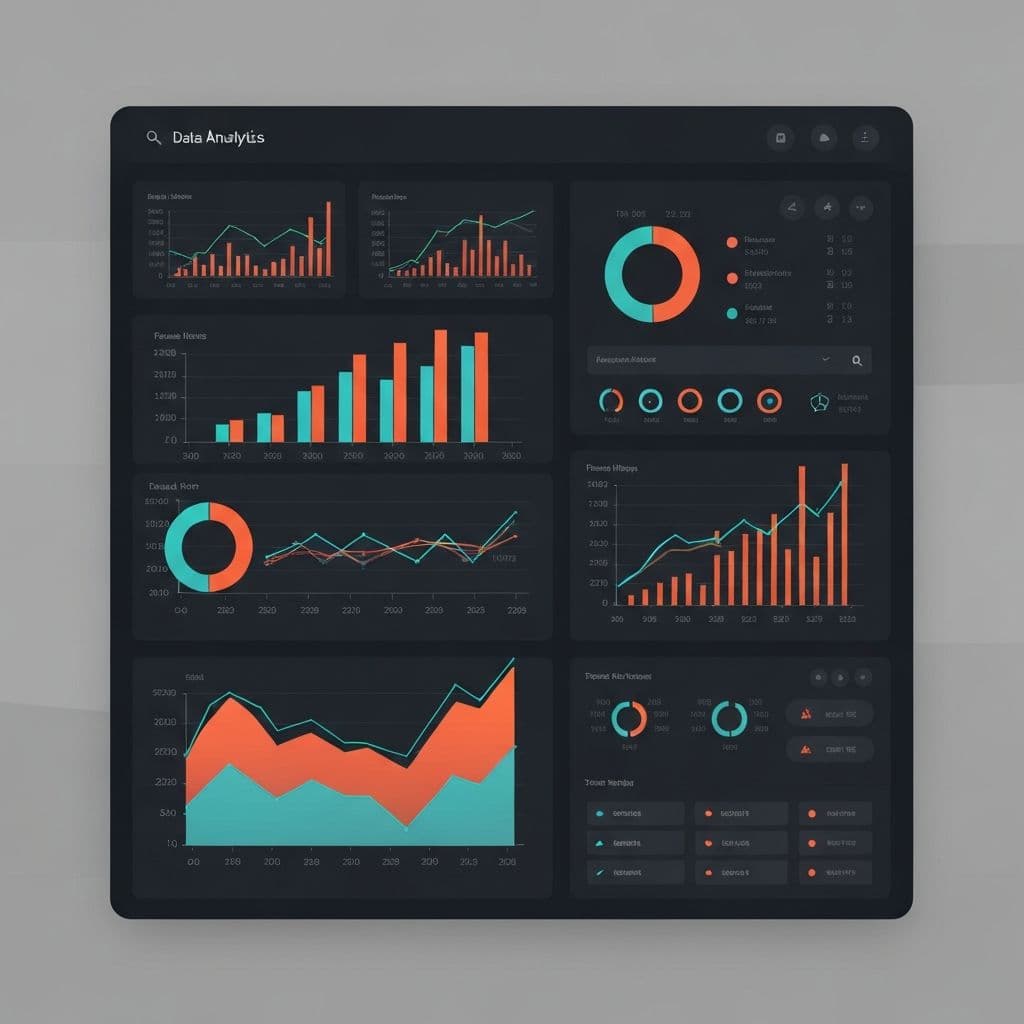
Two years ago, talking about artificial intelligence in the context of a small business sounded like science fiction or something reserved for companies with IT departments and million-dollar budgets. Today the situation is radically different.
AI is available, affordable, and applicable to businesses of any size. The question is no longer whether your SME can use artificial intelligence. The question is which use cases are best for your type of business.
This article is not theoretical. It is a practical guide with concrete examples that you can implement.
First: what do we mean by "AI for SMEs"?
We're not talking about building a language model from scratch or hiring a team of data scientists. The AI that serves an SME today is the one that is packaged in concrete tools that connect to your existing processes.
Could be:
- A chatbot that answers frequently asked questions on your website or WhatsApp at 2 in the morning.
- An analysis tool that detects which products sell the most on certain days or times of the year.
- A recommendation system that suggests additional services to each client based on their history.
- A writing assistant that helps you create content for social networks in minutes.
- A predictive model that tells you when to renew your inventory before running out of stock.
None of these require you to be a programmer or have a technical team.
Use case 1: Automated customer support (without losing the human touch)
This is probably the use case with the most immediate impact for a small business.
Think about how many times a day you receive the same questions:
- "How much does a full laundry service cost?"
- "Do you have availability for Saturday?"
- "Where are they located?"
- "What are your hours?"
Every time you or someone on your team answers those questions manually, you're using time that could be spent on things that do require real human attention. An AI chatbot can handle 60-70% of those repetitive queries automatically, available 24 hours a day.
How is it implemented? Tools like Tidio, ManyChat or even WhatsApp Business with automated flows allow you to create intelligent responses without writing a single line of code. For businesses that want something more personalized, a custom chatbot can be integrated into the website or management system.
What a chatbot should not do: completely replace the human team for complex or sensitive queries. The chatbot filters and responds to the routine; Conversations that require human judgment should always escalate to a real person.
Use Case 2: Predictive Sales and Inventory Analytics
How many times have you run out of stock just when you needed it most? Or the other way around, have you bought merchandise that took months to sell?
Predictive models analyze your sales history and detect patterns that the human eye hardly notices: which products sell the most on Fridays, which services have peaks at certain times of the year, which items are always purchased together.
With that information you can:
- Anticipate demand and have the right stock at the right time.
- Identify underperforming products before continuing to invest in them.
- Plan staff for busiest days.
How is it implemented for an SME? If you already have a management system that records your sales (such as those I develop for carwash, billiards or beauty salons), that history is the basis for building dashboards with predictive analysis. Tools like Power BI or Google Looker Studio can do this with data you already have.
Use Case 3: Customer Experience Personalization
Large e-commerce companies like Amazon have been using AI for years to show each user exactly what they are most likely to buy. That same logic can be applied on a much smaller scale.
A beauty salon could use AI to:
- Remind a client that their last visit was 6 weeks ago and they likely need a trim.
- Suggest additional treatment based on the services you chose on previous visits.
- Send you a personalized offer on your birthday.
A hotel could:
- Identify what type of room each client prefers based on their previous reservations.
- Send you promotions for the dates you have historically traveled.
A carwash could:
- Detect which customers come regularly and offer them a loyalty package.
- Notify customers who have not come in more than 30 days with a reactivation promotion.
What do you need for this? Basically, record your customers' data systematically. If your management system saves the history of services per client, you already have the raw materials. AI does the analysis and segmentation; The action (the WhatsApp message or the email) can be automated with simple tools.
Use case 4: Generation of content for social networks
Posting consistently on social networks is essential to maintain visibility, but it is a task that constantly consumes time and creativity. Here AI can be a powerful ally.
Tools like ChatGPT, Claude or Gemini can:
- Generate ideas for publications based on your field and audience.
- Write the text of a publication with the tone you request.
- Create variations of the same message to test what works best.
- Suggest hashtags relevant to your industry and location.
It doesn't mean that AI does all the work for you. It means that instead of staring at the screen for 30 minutes not knowing what to post, in 5 minutes you have a draft ready that you just need to review and customize.
Important: AI generates generic content. Your job is to add the local detail, the real anecdote, the authentic photo of your business. The combination of AI for structure + your genuine voice for human touch is what works best.
Use Case 5: Anomaly and Fraud Detection
If you run a business with multiple employees, physical cashiers, or multiple points of sale, there is an AI use case that can save you significant losses: anomaly detection.
AI systems can analyze data from your cashier or management system and alert you when they detect unusual behavior:
- A cashier who closes many more transactions with discounts than the rest.
- Sales recorded at times when the business should be closed.
- Discrepancies between the physical stock and that registered in the system.
- Unusual consumption patterns in certain clients.
For small businesses, this may sound overkill. But when you have more than two people handling cash or inventory, manual supervision has limits. A system that analyzes data and alerts you to anomalies is a layer of control that doesn't require you to be watching all the time.
Where to start?
Don't try to implement everything at once. The most effective way is:
Step 1 - Identify your biggest pain point: What repetitive task consumes the most time of your team? What information do you lack to make better decisions? Start there.
Step 2 - Verify you have data: AI works with data. If you do not have recorded data (sales, clients, services), the first step is to implement a management system that captures it.
Step 3 - Start simple: A basic chatbot, a sales dashboard, an automated weekly report. You don't need a complex project to start feeling the impact.
Step 4 - Measure the result: How much time did you save? Did sales increase? Did customer satisfaction improve? If the result is positive, escalate. If not, adjust.
The role of the developer in all this
Most of the AI tools I mentioned have versions that anyone can use without being technical. But when you want to integrate AI into your specific management system, into your actual workflow, with your own data and tailored to your business, that's where you need someone who understands both the business and the technology.
At SebasTZ I develop management systems that not only record data, but convert it into useful information. If you have a business with accumulated data and want to start taking advantage of it with intelligent analysis, write to me on WhatsApp at +51 933317879 and we will talk about what is possible for your case.
---
Do you want to delve deeper into how data can transform your business? Read our guide on data analytics for SMEs or discover the technological trends that are redefining traditional businesses in 2026.
Did you enjoy this article?
Discover how we can help you scale your business with custom software.
Related Articles
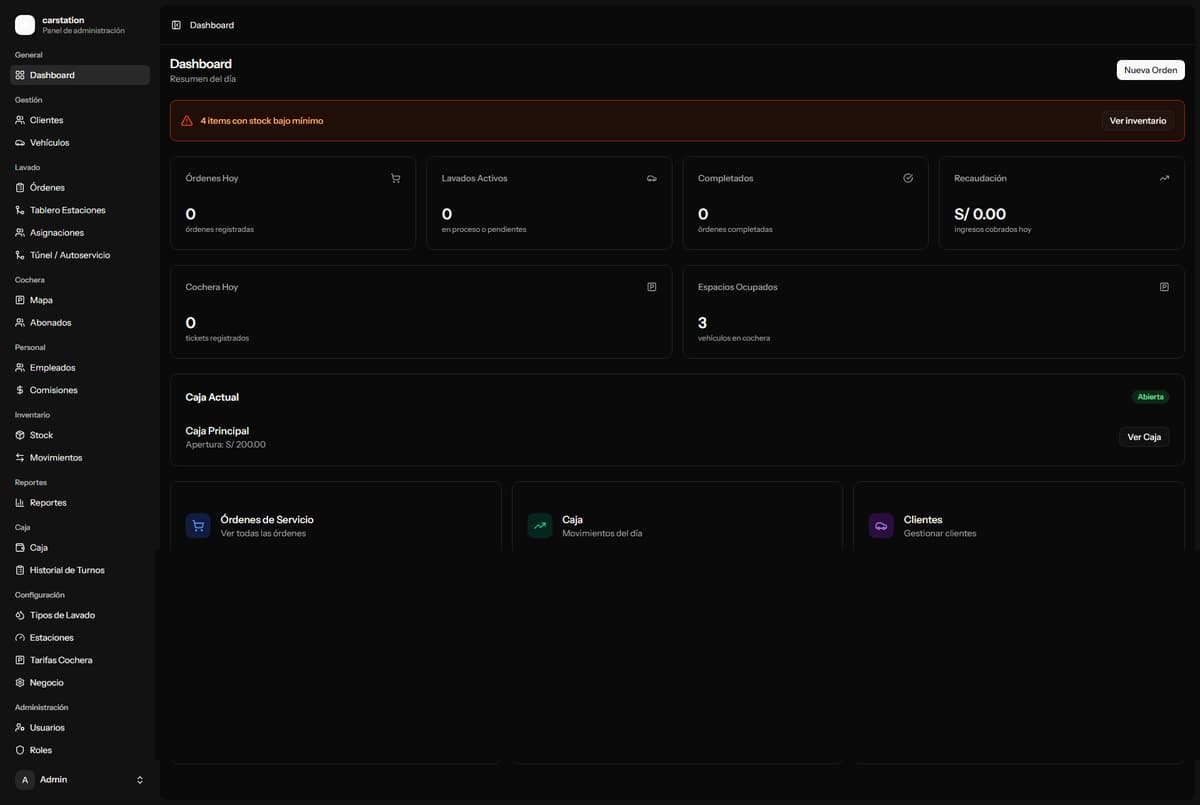
5 Key Areas Every Local Business Must Digitize to Protect Net Margins
Stop losing money to inventory waste, petty theft, slow peak hours, and messy cash registers. Discover the 5 vital areas where technology instantly multiplies bottom-line profitability.
Finance and digitalization: How technology transforms financial management in SMEs
Explore the impact of digitalization on business finance, from process automation to data-driven decision making.
Technology Trends for Traditional Businesses in 2026
It presents the main technological trends (AI, automation, cloud, digital payments, digital marketing) that are revolutionizing businesses such as carwash, billiards and restaurants. Offers tips for adapting to and taking advantage of these trends.